

Real estate interior photography wide angle work walks a fine line. Go wide enough and small rooms feel spacious, hallways read clearly, and open plans show how spaces connect. Go too wide—or stand too close—and sofas stretch into bananas, doorways balloon, and buyers distrust the listing the moment they walk through the front door.
This guide helps listing and interior shooters pick honest focal lengths, separate perspective stretch from optical distortion, and keep rooms trustworthy. Soft product notes cover rectilinear Zero-D ultra-wides for the moments you must go wide without bowing walls. For outdoor façades and converging verticals, see our companion on how to keep buildings straight in architecture photos; for optical shift when you need more ceiling without tilting, see tilt-shift photography explained.
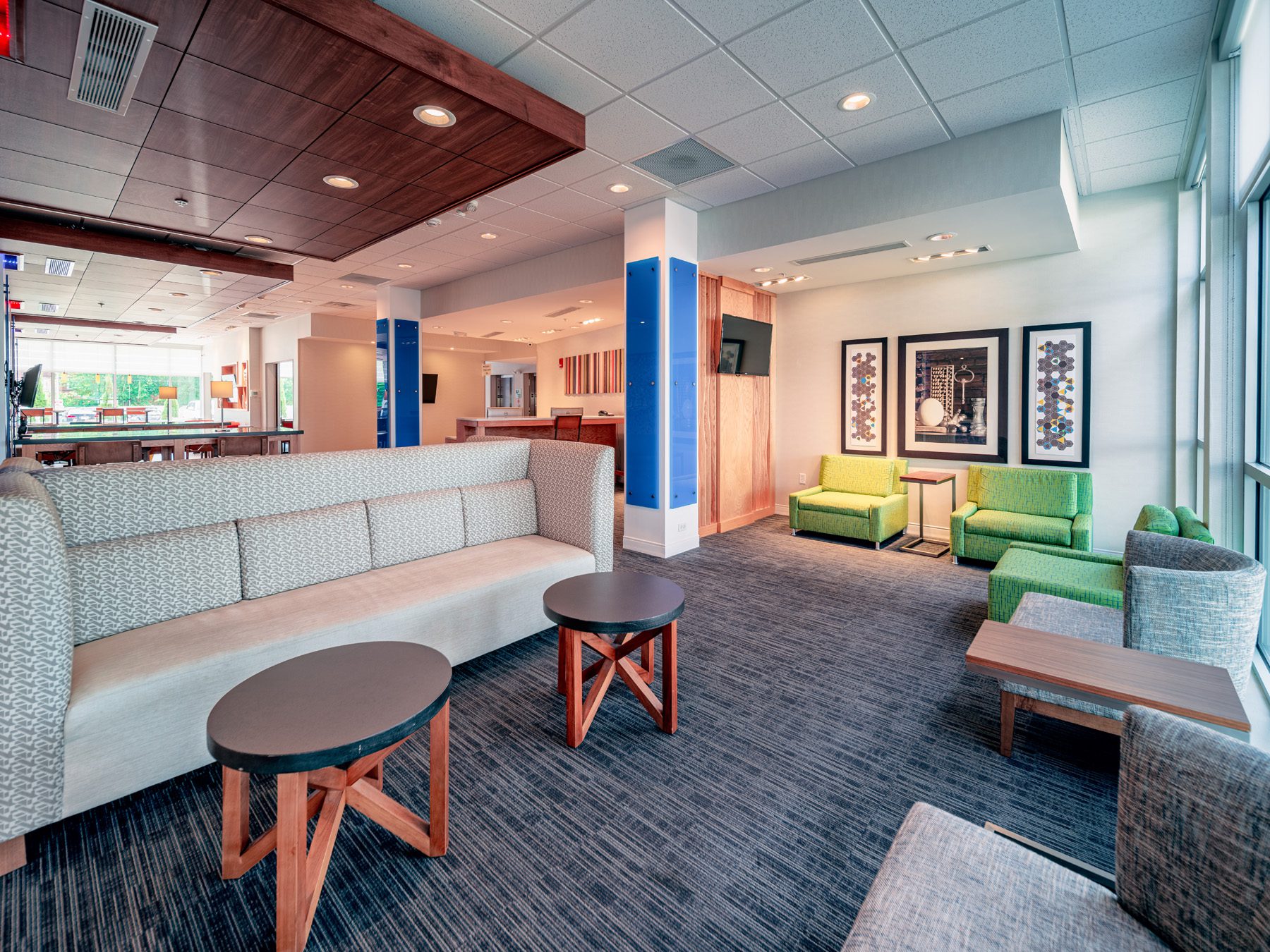
What buyers notice when rooms look stretched
Buyers and agents rarely say “perspective distortion.” They say the photos looked bigger online, the living room felt oddly warped, or the kitchen island seemed farther from the sink than it is. That reaction matters commercially: MLS and portal images are the first walkthrough. If scale feels fake, trust drops before the showing.
Common tells of over-wide or poorly staged shots:
- Furniture mush — chairs and sofas near frame edges look longer or wider than they are.
- Door and window stretch — openings near corners become trapezoids or “grinning” ovals.
- Floor skateboard effect — floorboards race toward the corners; rugs look huge relative to the seating.
- Ceiling height theater — rooms feel cathedral-tall when the camera is low and ultra-wide.
None of these require a bad lens. They appear whenever near objects sit close to a short focal length while the camera aims to “get everything in.” The fix is compositional honesty: choose a focal length that fits the room from a realistic standing or doorway distance, keep the sensor level, and leave some air rather than stuffing every wall into one heroic frame.
Perspective distortion vs optical distortion
Photographers often blend two different problems under one complaint about “distortion.”
Perspective distortion (really near–far exaggeration) happens because objects closer to the camera look larger. At 10–16mm, a coffee table two feet from the lens can dominate a sofa across the room. Tilting the camera up or down adds converging verticals—walls lean—the same geometry that makes buildings “fall” outdoors. A perfect rectilinear lens still shows this if you stand too close or tip the body.
Optical distortion is the lens bending straight lines into curves (barrel, pincushion, or mustache). That is what profile corrections and Zero-D optical designs target. Optical bowing makes already-stretched furniture look even less trustworthy because baseboards and cabinet lines no longer read straight.
For real estate, you want both under control: level camera and sensible distance for perspective, and a rectilinear optic so walls and cabinetry stay geometrically clean. Fisheyes and heavily curved ultra-wides can look dramatic on social media; they rarely help a listing that must match what a buyer sees in person.

Practical FF/APS-C focal-length ranges by room type
Searchers asking how wide for real estate interiors want ranges, not a single magic millimetre. On full frame, these bands are a practical starting map (translate by crop factor on APS-C / MFT):
- Living rooms, open plans, great rooms (≈16–24mm FF): Everyday listing workhorse. Shows seating groups without extreme edge stretch when you shoot from a doorway or mid-room. Prefer the longer end when furniture is dense near the edges.
- Kitchens and dining (≈14–20mm FF): Wide enough for counters and islands; avoid 10–12mm unless the kitchen is tiny and you cannot step back—islands balloon fast.
- Bedrooms (≈18–24mm FF): Beds and nightstands punish ultra-wides. Err longer so mattresses and headboards keep honest proportions.
- Bathrooms, closets, laundry, powder rooms (≈10–16mm FF): Justified ultra-wide territory. Small footprints force shorter glass; keep the camera level and center key fixtures rather than packing vanities into corners.
- Hallways and stair landings (≈14–20mm FF): Moderate wide angles show flow without turning walls into tunnels of doom.
On APS-C, multiply roughly by 1.5 (e.g., ~16mm APS-C ≈ 24mm FF feel). On Micro Four Thirds, multiply by ~2. The goal is not the shortest number in your bag—it is the longest focal length that still includes the room’s story from a natural vantage.
When you do need true ultra-wide and must keep lines straight, rectilinear Zero-D primes help. Soft options in that toolkit include the compact Laowa 14mm f/4 Zero-D FF RL for everyday interiors, the classic Laowa 12mm f/2.8 Zero-D and fast Laowa 15mm f/2 Zero-D when light is low or you want a touch more speed, and the extreme but honest Laowa 10mm f/2.8 Zero-D FF for baths, closets, and tight open-plan corners—used sparingly.
Camera height, leveling, and doorway positions
Focal length is only half of perspective distortion property photos. Height and aim decide the rest.
- Height: Roughly chest to eye level (about 1.4–1.6 m / 4.5–5.5 ft) is a common real-estate default. Too low exaggerates ceilings and floors; too high flattens furniture and looks like a security camera.
- Level: Use the electronic level. Pitch and roll must be centered so verticals stay vertical. Tilting to “include the chandelier” is how honest rooms turn into funhouse listings.
- Doorway and corner positions: Standing just inside a doorway often gives a clean one-point or gentle two-point view. Corners can show two walls of a room—but watch edge stretch on furniture nearest the frame.
- Distance: Step back before you go wider. If you can move two feet farther and switch from 12mm to 16mm, buyers usually thank you.
- Single-row discipline: For MLS hero shots, one carefully leveled frame often beats a stitch that warps floors. Multi-row panoramas are possible but demand careful nodal technique if lines must stay court-ready.
Staging helps optics: pull furniture slightly off extreme corners, hide clutter near the lens, and keep reflective appliances from dominating ultra-wide edges.

When ultra-wide is justified (bathrooms, closets, open plans)
Ultra-wide is not the villain—misuse is. Situations where 10–14mm FF (or crop equivalents) earns its keep:
- Bathrooms and powder rooms where you cannot step back without standing in the tub.
- Walk-in closets and utility spaces that must show storage volume for listing completeness.
- Tight entryways that connect to stairs or halls in one explanatory frame.
- Open plans where you need kitchen-to-living continuity—still prefer the longest ultra-wide that works, and consider two frames instead of one 10mm hero if furniture starts to warp.
Even here, rectilinear control matters. A Zero-D lens real estate shooter can keep tile grout and door frames straight so the “wow, this bath is tiny” message stays about square footage, not curved walls. Use 10mm as a surgical tool, not a default for master suites.

Post fixes that help—and ones that cannot
Software is part of modern listing workflows. Know what it can and cannot rescue.
Helpful:
- Lens profile corrections for residual barrel/pincushion before perspective tools.
- Mild upright / vertical transforms when you tipped slightly—leave crop margin in-camera.
- Exposure blending or flash+ambient mixes so windows are not pure white voids.
- Vertical and horizontal guides for plumb walls and level floors.
Limited or harmful:
- Avoiding stretched furniture photos after the fact: heavy warps to “shrink” a sofa usually break adjacent lines and look plastic.
- Extreme upright transforms that discard corners and soften detail—fine for social, risky for large prints or zoomable portals.
- Fisheye defishing that still leaves unnatural scale because you stood too close.
- AI “room expanders” that invent square footage—ethically and often contractually off-limits for listings.
Capture-side discipline beats heroic post. If a frame needs aggressive geometry surgery to look normal, reshoot longer or from farther away. Optical shift lenses can include more ceiling while staying level—covered in the tilt-shift guide linked above—but everyday residential work usually succeeds with a leveled rectilinear ultra-wide and honest distance.

FAQ
What is the best focal length for real estate interiors?
On full frame, most living areas and bedrooms look most trustworthy around 16–24mm; kitchens often sit near 14–20mm; baths and closets may need 10–16mm. The best focal length is the longest one that still tells the room’s story from a natural doorway or mid-room stance. Crop-sensor shooters should convert by crop factor and judge by furniture edges, not by the millimetre engraved on the barrel.
Is 14mm too wide for listing photos?
Not inherently. 14mm on full frame is a common, useful interior width—especially for kitchens, open plans, and small rooms—when the camera is level and you are not inches from furniture. It becomes “too wide” when you use it as a substitute for stepping back in a large living room, or when you park a sofa in the extreme corner of the frame. If edges look stretched, move to 18–24mm or change vantage before blaming the lens.
Can software fix stretched furniture from ultra-wides?
Only mildly. Profile corrections fix optical bend; upright tools fix modest camera tilt. Neither truly undoes near–far exaggeration: a couch that filled the corner because it was close to a 10mm lens will still look unnatural after warping, and aggressive fixes softens detail. Reshoot with more distance or a longer focal length when furniture proportions matter for buyer trust.
Do I need a tilt-shift for everyday real estate work?
Usually no. Most residential listings succeed with a leveled rectilinear wide angle, careful height, and modest post. Tilt-shift (or shift-capable lenses) shines for high-end architecture, tall atriums, and exteriors where you must raise the frame without tilting—situations explored in our tilt-shift explainer. Start with Zero-D ultra-wide technique; add shift when ceilings and façades routinely force compromises you cannot solve with vantage alone.
Honest real estate interiors come from matching focal length to room size, keeping the camera level, and resisting the urge to solve every tight space with a shorter lens. Use ultra-wide deliberately for baths, closets, and true space constraints; keep living areas and bedrooms on more moderate widths so furniture stays believable. When you must go wide, a rectilinear Zero-D optic keeps walls straight so perspective—not optical bend—is the only geometry you manage. Buyers should recognize the home the moment they arrive—and your wide-angle choices are a big part of that first impression.


Leave A Comment